
Wisdom Teeth Removal Cost
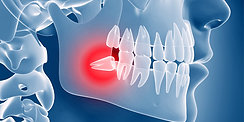
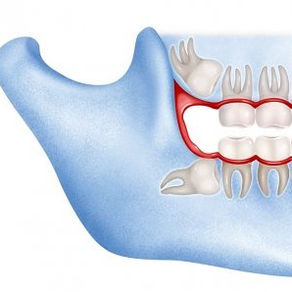
This is what they are commonly called; the correct medical name is third molars. They are also known as wisdom teeth.
If you are experiencing discomfort, you should arrange an evaluation.
Extraction must be performed by a specialist MAXILLOFACIAL SURGEON. A complex extraction can look simple in skilled hands.
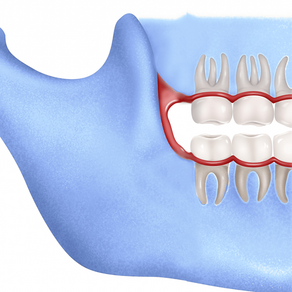
Erupted third molar — was 135,000 CLP (Chilean pesos), now 110,000.
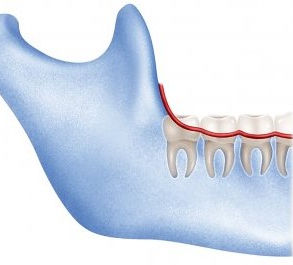
Simple partially impacted — 145,000 CLP, now 125,000.
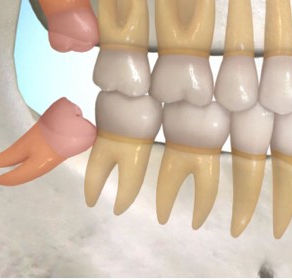
Complex partially impacted — was 155,000 CLP, now 135,000.
Impacted or fully impacted — was 175,000 CLP, now 155,000.
High complexity, close to the mandibular nerve: was 230.000 now 184,000. Price 185,000 CLP.

Operating room fee and clinical supplies: 145,000 CLP. Follow-up visit not included.
Wisdom Teeth: Everything You Need to Know About Them
*The procedure room fee is 135,000 CLP and the post-surgical follow-up is 40,000. These amounts are included in the final quote.
The eruption of third molars (as they come through into the mouth)
Factors that influence eruption
The eruption of third molars varies from person to person, and several factors can influence this process.
Third-molar eruption can be affected by genetic, environmental, and personal-habit factors. These include the shape and size of the jaw, the position of the teeth, diet, and the pressure exerted by the facial muscles and tongue.
Symptoms of eruption
As third molars erupt, you may experience symptoms such as pain, swelling, redness, and even fever. Complications such as infections or the formation of cysts can also arise.
The impact of third molars on oral health
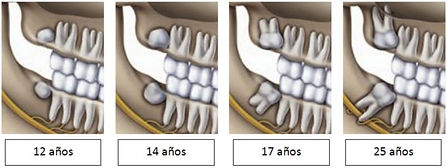
Third molars can cause oral health problems if they are not properly managed.
Bite and dental alignment
Third molars can push other teeth out of position, affecting the bite and dental alignment. This can make oral hygiene more difficult and increase the risk of periodontal disease and cavities. It is important to clarify that this only occurs during the early stage of dental development, up to about age 17; after that, third molars lose their pushing force and no longer shift the teeth, but serious infectious problems begin to appear.
Problems associated with third molars
Some common problems associated with third molars include pericoronitis, tooth decay, dental crowding, and the formation of cysts and tumors.
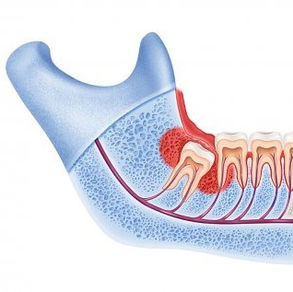
Acute pericoronitis
This is the name for the infection caused by a wisdom tooth. It must be taken very seriously, as it can sometimes become extremely severe.
Extraction of third molars
In some cases, extraction of the third molars may be necessary to prevent or treat oral health problems. Preventing infection or damage to the neighboring tooth is a priority. It must be carried out carefully by a specialist maxillofacial surgeon.
The extraction procedure
Third-molar extraction is performed under local, regional, or general anesthesia, depending on the complexity of the case and the patient's preferences. The oral surgeon or dentist makes an incision in the gum to reach the tooth and then removes it carefully. In some cases, the tooth is divided into sections to make removal easier.
Recovery and postoperative care
After third-molar extraction, it is important to follow your surgeon's instructions to ensure a proper recovery. These include taking pain relievers and anti-inflammatories, maintaining good oral hygiene, and avoiding activities that could disturb the extraction site.
Preventing and treating problems related to third molars
Preventing problems associated with third molars involves good oral hygiene, regular dental visits, and a balanced diet. For mild symptoms, the dentist may recommend conservative treatments such as dental cleaning, mouth rinses, and the application of dental sealants.
Dr. Antonio Marino
Maxillofacial Surgeon
Reference: Mayo Clinic
Myths and facts about third molars
There are many myths and facts surrounding third molars, and it is important to know the correct information in order to make informed decisions about their care.
- Myth: All third molars must be removed. Fact: Not all third molars need to be removed — only those that cause problems or carry a risk of complications.
- Myth: Removing third molars is an extremely painful procedure. Fact: The extraction is performed under anesthesia, which minimizes pain during the procedure. Afterward, any discomfort can be managed with medication and proper care.
- Myth: Third molars always cause problems. Fact: While third molars can cause problems in some cases, many people never experience any complications and can keep them without issue.
Care and instructions after a third-molar extraction
After a third-molar extraction, it is essential to follow the postoperative instructions given by your dentist or oral surgeon to ensure a successful recovery and avoid complications. Some of the recommended care measures include:
- Bite down on the gauze for 30 minutes. Remove it without spitting to check the site, and only place fresh gauze if your mouth fills with blood. If this continues, call your surgeon.
- Apply ice to the area: During the first 24 hours, applying ice to the extraction site can help reduce swelling and pain. Use an ice pack wrapped in a towel or cloth for 20 minutes, followed by a 20-minute break.
- Take pain relievers and anti-inflammatories: Your dentist may prescribe medication to control pain and swelling. Be sure to follow the instructions and take them exactly as directed.
- Keep your head elevated: For the first few nights after the extraction, try to sleep with your head raised on extra pillows to reduce swelling and pressure in the area.
- Avoid rinsing: Do not rinse your mouth or spit forcefully during the first 24 hours, as this could dislodge the clot and delay healing.
- Maintain good oral hygiene: Keep brushing and flossing carefully, avoiding the extraction site for the first few days. From the second day on, you can begin gentle rinses with warm salt water to clean the area and support healing.
- Follow a soft diet: For the first few days after the extraction, eat soft, cool foods such as yogurt, mashed potatoes, soups, and ice cream. As the area heals, you can gradually add more solid foods back into your diet.
- Avoid tobacco and alcohol: Tobacco and alcohol can hinder healing and increase the risk of infection. Avoid them for at least one week after the extraction.
- Do not use straws: Avoid drinking through a straw during the first 48 hours, as the sucking motion can dislodge the clot and cause a complication known as dry socket.
- Take it easy with physical activity: Avoid strenuous exercise or lifting heavy objects for the first few days after the extraction to prevent bleeding and increased pressure in the area.
- Attend your follow-up appointments: It is important to keep your follow-up visits so your dentist can make sure the extraction site is healing properly and there are no signs of infection or complications.
If you experience symptoms such as severe pain, excessive bleeding, fever, swelling that worsens after 48 hours, or difficulty opening your mouth, it is important to contact your dentist right away.
What care should you take after wisdom teeth extraction?
Rest on the first day after the extraction.
Apply ice to the affected area to reduce inflammation.
Avoid smoking or using tobacco products.
Avoid drinking hot liquids or eating hard or crunchy foods.
Gently rinse with warm salt water to promote healing.
How are wisdom teeth removed?
Third-molar extraction technique
The extraction of third molars, also known as wisdom teeth, is one of the most common procedures in dental surgery [1]. Although the indications for removing symptomatic third molars are clear, the routine extraction of asymptomatic teeth remains controversial [1]. In this article, we discuss in detail the techniques for extracting upper and lower third molars and how the procedure is carried out.
Pre-procedure evaluation
Before proceeding with third-molar extraction, a clinical and radiographic evaluation is essential. The radiographic findings must be correlated with the clinical picture to ensure an accurate diagnosis [3]. The position of the teeth and their relationship to the adjacent anatomical structures are key factors to consider before extraction.
Techniques for extracting upper third molars
The technique for extracting upper third molars involves the following steps:
- Local anesthesia: Local anesthetic is administered to the palatal and buccal regions around the tooth to be removed.
- Incision: An incision is made in the mucosa covering the tooth, exposing the underlying bone and the tooth.
- Raising the mucoperiosteal flap: The mucoperiosteal flap is lifted to fully expose the tooth and the surrounding bone.
- Osteotomy: An osteotomy is performed around the tooth to make extraction easier.
- Tooth removal: The tooth is removed using appropriate forceps or elevators. In some cases, it may be necessary to divide the tooth into several sections to make removal easier.
- Suturing: The mucoperiosteal flap is sutured back into its original position, ensuring proper healing and minimizing the risk of infection.
Techniques for extracting lower third molars
The technique for extracting lower third molars includes the following steps:
- Local anesthesia: Local anesthetic is administered around the tooth to be removed and to the inferior alveolar nerve.
- Incision: An incision is made in the mucosa covering the tooth and the underlying bone.
- **Raising the mucoperiosteal flap
- The area is cleared and the neighboring structures are checked.
- Bone tissue is removed.
- The molar is sectioned so it can be removed in small pieces.
- The area is cleaned thoroughly.
- Any remnants of the pericoronal flap (operculum) are removed. The site is then ready to be closed.
- Suturing.
- Compression with sterile gauze.
Afterward, you should carefully follow the list of instructions your surgeon gives you. Remember that your surgeon should provide a phone number so you can reach them in case of an emergency.
Wisdom teeth extraction is a common procedure performed under local anesthesia or conscious sedation. The dentist or oral surgeon makes a small incision in the gums and removes the tooth or teeth. Recovery time can vary, but the gums usually take a few days to heal fully.
Read our frequently asked questions
Frequently asked questions
Telemedicine Orthognathic surgery Wisdom teeth Dental implants
Consultation fee
40,000 CLP or 50 USD
Consultation length
15 minutes
Connection platform
Google video call, Calendar, Hangouts. No app is required to connect — it runs directly from Google Calendar.
What hours are available for scheduling?
Monday to Friday, 8:45 a.m. to 5:30 p.m.
Requirements
A computer or phone with a camera
A stable internet connection
Payment for the consultation at the time you book your appointment
How is payment made?
Webpay
Bank transfer
Mercadopago
Bitcoin or another cryptocurrency